
Advancing patient experience data in rare kidney disorder research
Abbie Taylor, Senior Specialist, Patient Engagement, MEDiSTRAVA, an Inizio Company
Emily Thompson, Senior Consultant, Patient Engagement, MEDiSTRAVA, an Inizio Company
Across healthcare, there is increasing recognition that understanding unmet need requires more than traditional clinical and population-level data. Structured patient experience data (PED) provides critical insight into the real-world impact of disease, capturing daily realities, emotional burden, practical challenges and unmet needs experienced by people living with chronic conditions.
Regulatory and health technology assessment (HTA) bodies are increasingly recognizing the importance of incorporating patient experience into evidence generation. The European Medicines Agency’s recent Reflection Paper on PED1 positions PED as a critical component of evidence generation and decision-making across regulatory and health technology assessment (HTA) contexts, underscoring the need for systematic, robust approaches to capturing lived experience.
Against this evolving landscape, we conducted a multi-country qualitative research study on behalf of our client to explore the lived experiences of people affected by two rare progressive kidney disorders where lived experiences are limited within published literature.
The challenge: Limited published insight into daily burden and needs
The two rare progressive kidney conditions that were the focus of this study are associated with significant clinical and psychosocial impacts on people’s lives. While clinical characteristics are well documented, there is less published literature on how these conditions affect daily functioning, mental wellbeing, family dynamics, employment and financial stability. Recognizing this evidence gap, our client commissioned a multi-country qualitative study conducted by our MEDiSTRAVA Patient Engagement team to generate structured insights into the lived experience of people affected by these rare kidney disorders, alongside their carers.
The objective of this study was to produce robust, publication-ready PED to better characterize the real-world impact and unmet needs associated with these conditions.
The approach: Designing and delivering a robust ethically approved, multi-country PED study
We designed and delivered a qualitative research study spanning Germany, Spain, the UK and the US, incorporating perspectives from people living with the rare kidney disorders explored in this study and their carers.
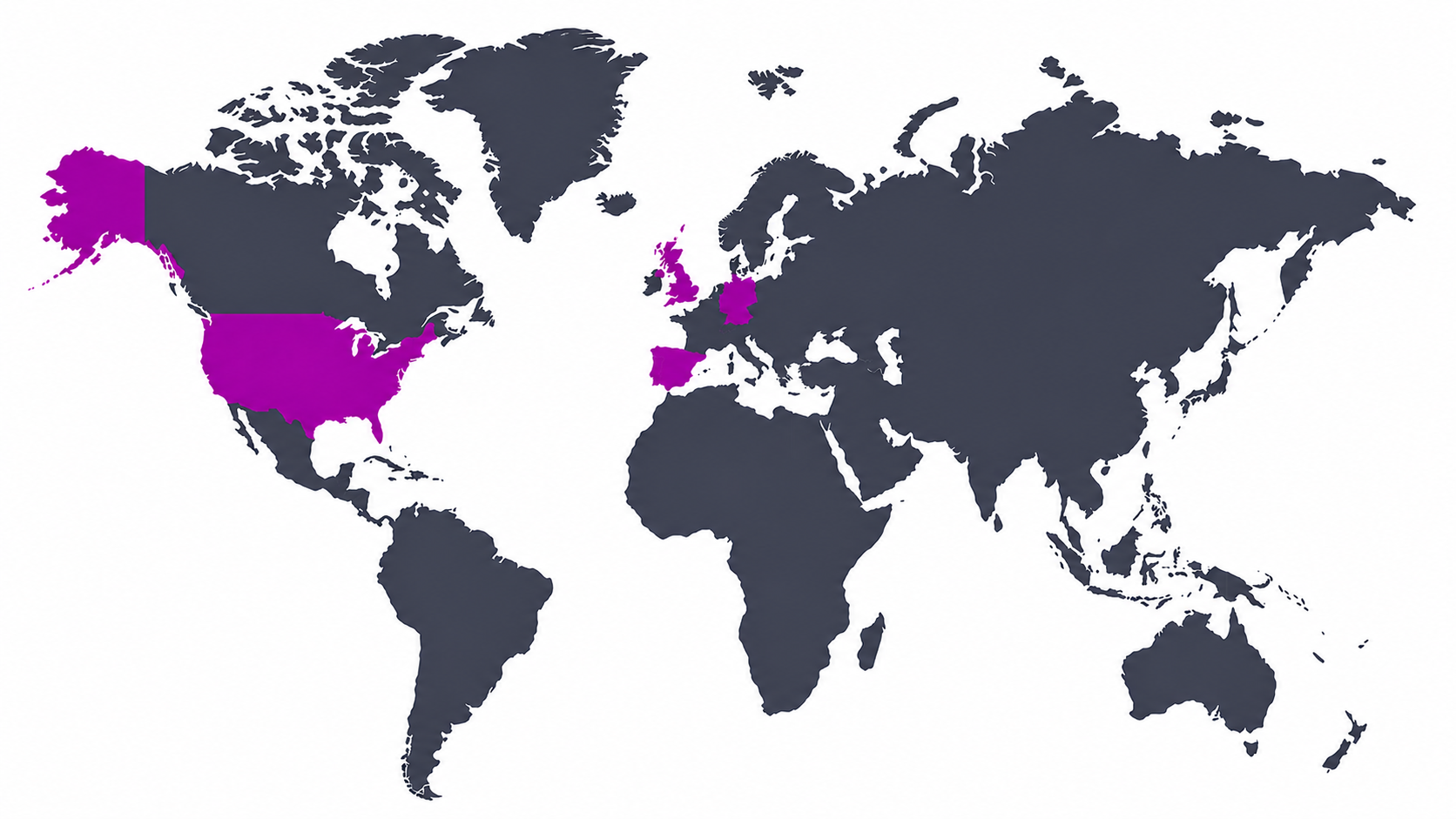
The study combined a structured mixed-methods survey and virtual in-depth focus groups. As a fully virtual, multi-country study, it demanded inclusive design, culturally appropriate materials, real-time translation, and robust data collection practices. Our team provided end-to-end support, including:
- Delivering study design input, developing the protocol, and coordinating ethics/IRB submissions
- Creating all patient-facing materials, including informed consent forms, screening tools, and surveys
- Managing participant recruitment, screening, and informed consent
- Facilitating focus groups with real-time translation to enable multi-language participation
- Leading qualitative analysis and delivering a report of key insights
- Developing a manuscript for peer-reviewed publication
The insights: Capturing the full impact of disease
Participants shared powerful insights into the physical, emotional and practical burdens of living with rare kidney disorders, including:
- The unpredictability and uncertainty associated with progression
- Complex symptom experience, including the less visible aspects impacting daily life
- Fatigue often under-recognized or inadequately addressed in clinical care
- Emotional and psychological burden
- Disruption to education, employment and long-term planning
- Strain on family systems and social relationships
- Inconsistent or conflicting guidance around diet and exercise
- Financial and healthcare system navigation challenges
The outcome: From lived experience to peer-reviewed evidence
The findings were published in the journal Glomerular Diseases, strengthening the evidence base in rare nephrology and helping to elevate the voices of patients and caregivers within the rare kidney disorder communities.
As regulatory and HTA expectations around patient-informed evidence continue to evolve, robust qualitative research will play an increasingly important role in shaping the future of evidence generation. This work demonstrates how structured PED can be generated in a rigorous, multi-country setting and translated into peer-reviewed output — supporting a more comprehensive understanding of unmet need.
We extend our sincere thanks to the participants who so openly and generously shared their experiences and made this project possible.
If you have questions, comments or would like to discuss how structured patient experience data can strengthen your evidence strategy, please reach out to our Patient Engagement team at [email protected]
Reference:
Jump to a slide with the slide dots.

 Anthony Haywood
Risk Management in Clinical Trials: Navigating Uncertainty with Precision
In the high-stakes world of clinical trials, risk management isn’t just a regulatory checkbox, it’s the backbone of scientific integrity and operation
Read more
Clinical trial site and sponsor engagement: Ongoing trend impacts & communication strategies.
Clinical trial sponsor and site engagement communication pathways lay the foundation for study performance and data outcomes. In this insight, Blair S
Read more
EMA now needs patient experience data from R&D to access
While patients are valuable contributors across the medicines development lifecycle, patient experience data (PED) are still not systematically includ
Read more
Clinical trial recruitment is not operational, it’s strategic. Let’s stop pretending otherwise.
There is a quiet fiction at the heart of many clinical trials. It goes something like this: “once the protocol is...
Read more
Pride in Patient Engagement: Recognizing MedComms Day at MEDiSTRAVA
This year’s MedComms Day theme, Pride in Profession, gives us an opportunity to reflect on the importance of our work in Patient Engagement.
Read more